When to Change Your Air Filter
 How Often Should You Change Your Air Filter for Better Indoor Air Quality?
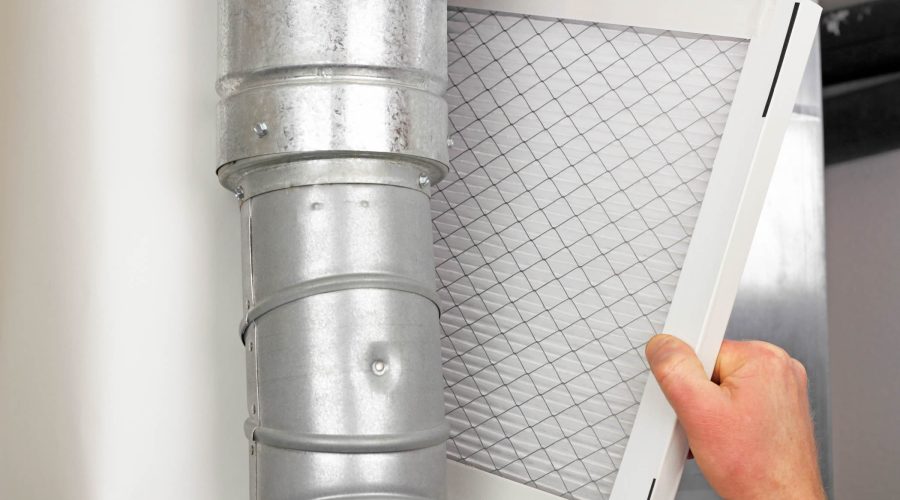
Regular air filter replacement is key to maintaining excellent indoor air quality and ensuring your HVAC system runs efficiently. A clean filter traps dust, allergens, and debris, preventing them from circulating in your home while reducing strain on your heating and cooling unit. But how often should you change it? Here’s a detailed guide based on common scenarios.
Recommended Air Filter Replacement Schedules
- Every 30 Days: Ideal for homes using high-efficiency filters (like HEPA) or with multiple pets shedding dander, or residents with allergies or asthma needing cleaner air.
- Every 60-90 Days: Suitable for typical households with standard 1-2 inch filters, no pets, and average HVAC use—perfect for most suburban homes.
- Every 6-12 Months: Best for homes with minimal HVAC usage (e.g., vacation homes) or those with advanced, long-lasting filters designed for extended performance.
Factors Affecting Air Filter Replacement Frequency
These timelines aren’t set in stone. The right interval depends on variables like filter type (fiberglass vs. pleated), your home’s air quality (dusty areas need more frequent changes), and HVAC runtime. For example, running your system constantly in summer or winter may clog filters faster. Check your filter monthly—visible dirt or a musty smell signals it’s time to swap it out, even if it’s before the recommended period.
Pro Tips for HVAC Maintenance
Always follow the manufacturer’s guidelines for your specific air filter model, as they vary by brand and MERV rating. Higher MERV filters trap more particles but may need replacing sooner. Neglecting a dirty filter can spike energy bills, reduce airflow, and even damage your HVAC system over time. Stock up on filters in bulk to save money, and set calendar reminders to stay on track. Prioritizing HVAC maintenance keeps your home comfortable and healthy year-round.